Music distribution: from release to royalty payments
Story
What artists and labels need to check before the release date, after it goes live and when it's time to get paid for their recordings.
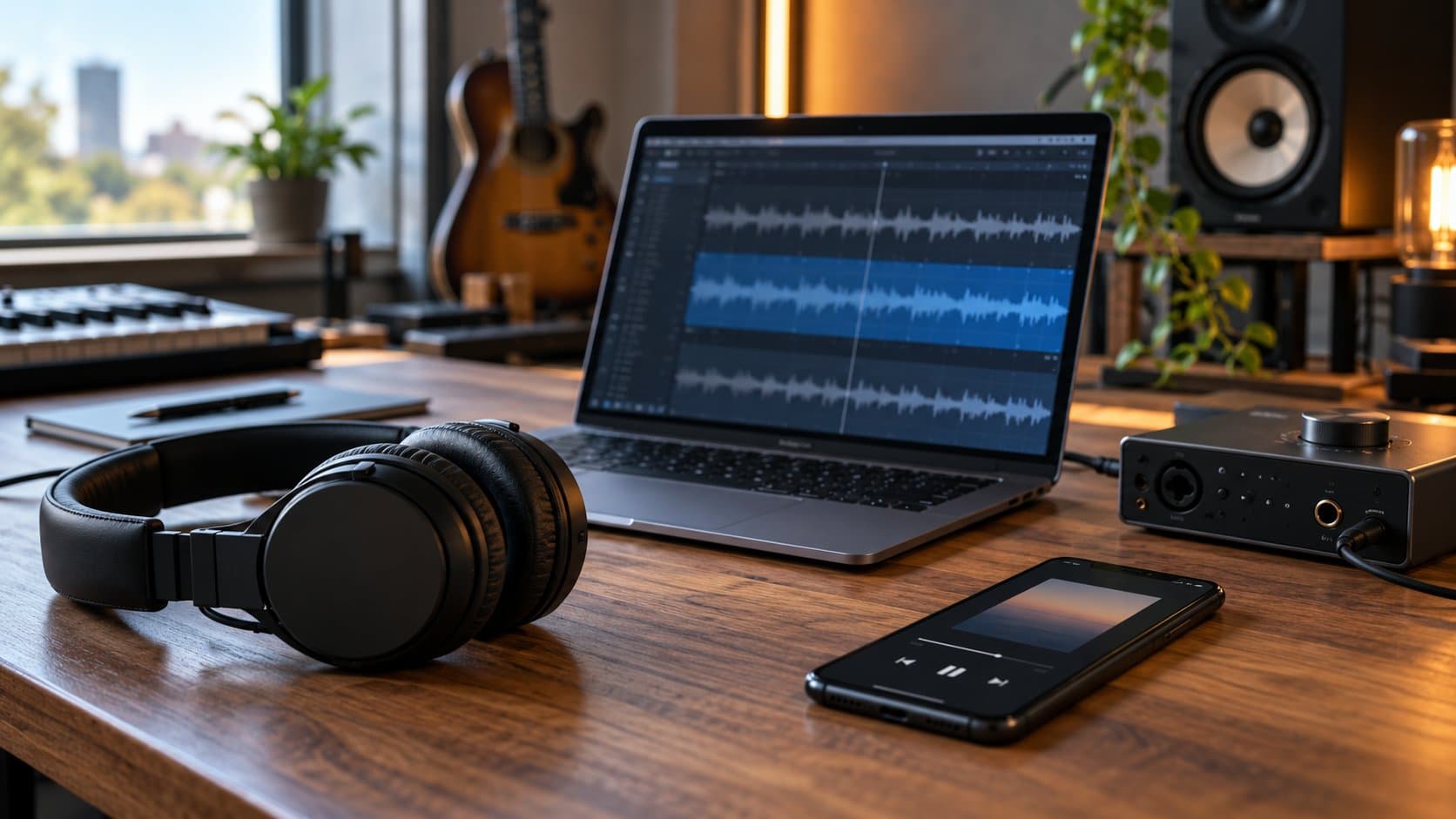
Following a release starts before the release date and continues until the revenue is paid out. Illustrative AI-generated image.
Sending a song to a distributor is the start of a process that involves review, delivery to the platforms, publication and revenue reporting. Understanding these stages helps you plan the release, fix pending issues and follow your payments with more confidence.
Music distribution connects artists and labels to digital services. To put music on Spotify, for example, an artist works with a distributor or with their record label's distribution setup. That operation also takes part in paying out the revenue from the recording.
Eventroo brings release submission, metadata, revenue reports and payments together on its platform, with content validation and support. This Eventroo News guide explains what to follow at each stage and gathers guidance from the official FAQ and from Spotify.
Following a release takes five steps: review the material, confirm the delivery, check the publication, read the reports and verify the payment conditions. Each one answers a different question about the release.
1. Review the material and credits before submitting
Audio, artwork and credits must be consistent before delivery. Illustrative AI-generated image.
Prepare the final audio, the artwork and the metadata: title, version, artists, songwriters, featured participants and release date. Also keep the documents that prove the rights needed to distribute the material.
Artwork that announces a featured artist missing from the registration, for example, may require a correction. When a release comes back for adjustment, check the field or document requested. Being sent back points to a pending issue and does not, on its own, mean a final rejection.
At Eventroo, validation covers metadata, rights and documentation. Sorting out this information before announcing the release date reduces the need for changes during processing.
2. Plan the delivery and the campaign ahead of time
Each digital service processes the delivery before making the release available. Illustrative AI-generated image.
After approval, the files go to the services enabled on the account that are compatible with the content, the territory and the available rights. Each platform still processes the delivery before publishing.
The Eventroo FAQ recommends planning the submission at least seven days in advance. For campaigns and priority releases, the guidance is to allow a longer window. This lead time is an operational recommendation; the final date also depends on the platforms.
For Eventroo pitching, the recommendation is to send the material at least four weeks before the release or the promotional action. Pitching is presenting the song for editorial and promotional consideration. Decisions about playlists and release support are up to the platforms.
3. Check the song in the apps after it goes live
After the release, check the links and the profile linked to it. Illustrative AI-generated image.
Open the published links and check the audio, the artwork, the title, the credits shown and the artist profile. Availability can vary between services, so your check should cover the destinations that matter for the campaign.
If the song shows up on the profile of an artist with the same name, gather the release link and the address of the correct profile. Send this information to support. Spotify also offers a form for this kind of problem in Spotify for Artists.
Keep your catalog identifiers at hand: the ISRC identifies the recording; the UPC or EAN identifies the release, such as a single, EP or album. They help locate the material in support requests.
4. Compare plays with the reporting period
Audience data and financial reports have their own update periods. Illustrative AI-generated image; charts contain no real data.
Audience statistics show how the song is being listened to. Revenue appears after the platforms close and send their financial data, followed by processing at the distributor. That is why streams can be visible before the corresponding amounts.
When checking a statement, look at the consumption period it refers to. Comparing this week's plays with another month's revenue can create a difference that is only apparent.
Spotify explains that it does not use a fixed per-stream rate. The amount an artist receives also depends on their contract with their label or distributor. Multiplying by a rate found on the internet is no substitute for the financial report.
5. Check your balance and payment conditions
Reading the statement helps identify the period and the payout conditions. Illustrative AI-generated image; shows no real financial data.
Reported revenue, available balance and completed payment are different stages. At Eventroo, balance eligibility depends on the processing of the amounts and on the conditions of the account, the contract and the enabled payment method.
Check the period, platform, currency, contractual share and applicable deductions. Keep your payout details up to date. If in doubt, tell support the report line and the related release.
This flow covers revenue from the recording. Songwriting has its own forms of administration and collection. Anyone who is also a songwriter should follow the rights to the composition with whoever manages them, in addition to the master recording payouts.
How Eventroo serves artists and labels
Catalog organization and planning are part of the routine of artists and labels. Fictional AI-generated scene; does not depict the Eventroo team.
Eventroo works as a music distributor and technology platform for artists, labels and partners. Its operation brings together release registration, ISRC and UPC identification, content validation, reports by platform and period, and payments through the method enabled on the account.
For those who manage several artists, the label program offers catalog organization, revenue tracking and support for releases and migration. How the label is identified in the credits follows the format adopted by each platform.
According to the FAQ, distribution alone does not transfer ownership of the recording or the composition to Eventroo. The rights remain with their holders, except for conditions set out in specific contracts. Before you start, check the enabled services and the conditions that apply to your catalog.
A checklist to follow your release
One record per release helps you keep track of the catalog and its pending items. Illustrative AI-generated image.
Use this table to organize your checks. The stages are general and don't necessarily match the names shown in the dashboard.
Stage
What to check
Before submitting
Final audio, artwork, credits, profiles and rights documentation.
Material under review
Requested corrections and pending documents.
Delivery reported
Delivery destinations and scheduled release date.
Song published
Links, audio, artwork, credits and link to the correct profile.
Report available
Consumption period, revenue source and applicable deductions.
Payment
Eligible balance, payout details and payout status.
Keep a list of releases with dates, identifiers, links and pending items. If something doesn't move forward, ask support to confirm the last completed stage and what needs to be resolved.
Releasing a song or organizing your catalog? Discover Eventroo music distribution and check the conditions for your project. To manage several artists, see the label program.